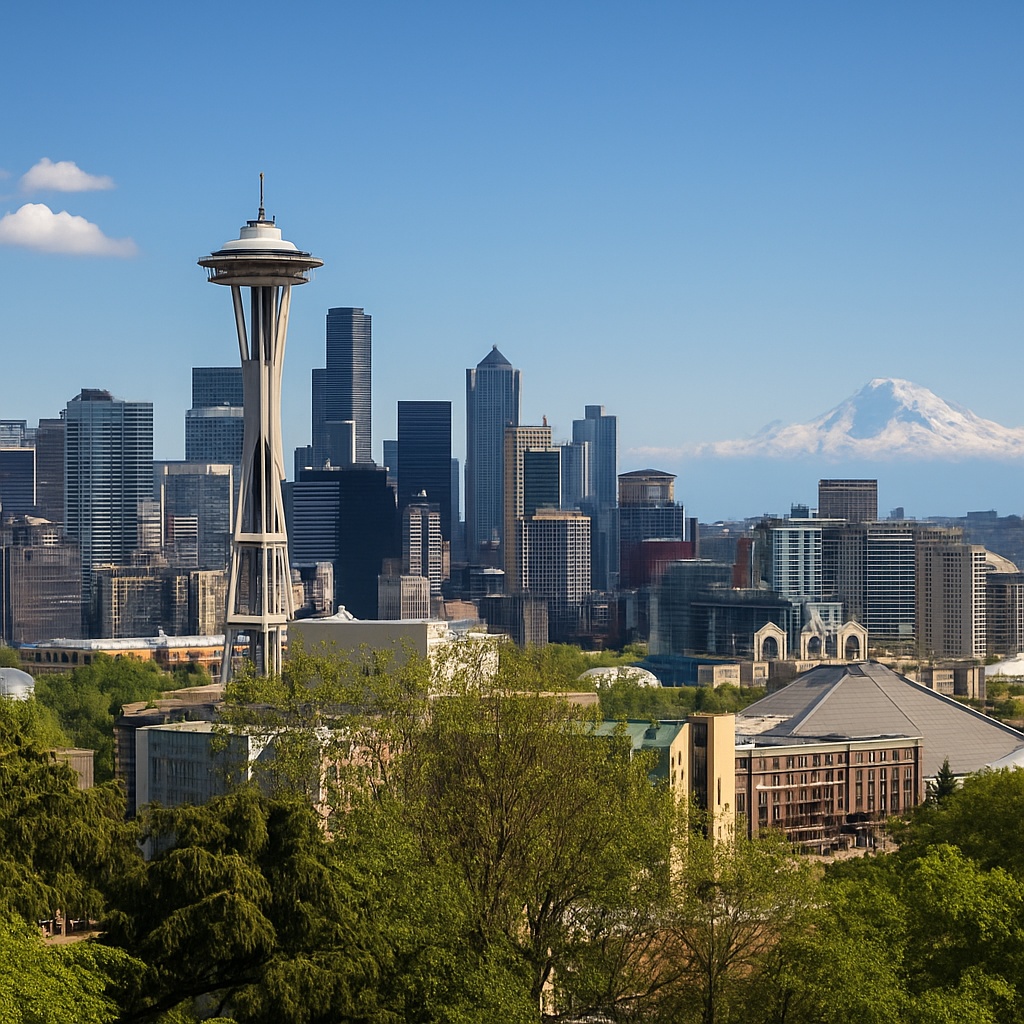
Why Knowledge Matters for Seattle Flat Roof Performance
Commercial buildings across Seattle rely heavily on flat roofing systems that can manage long stretches of rain, moisture, and shifting temperatures. These roofs work well in dense areas such as South Lake Union, Fremont, SODO, and Capitol Hill, but their design makes them more sensitive to standing water, seam issues, and material fatigue. Property owners often ask why repairs become urgent so quickly in the Pacific Northwest. The answer usually lies in how moisture moves through flat roofing layers and how each membrane type responds to Seattle’s weather.
Many calls for commercial flat roof repair in Seattle originate from small issues that developed slowly, such as worn seams or shrinking membranes. Understanding what separates TPO, EPDM, and PVC helps owners act early and avoid widespread damage.
How Weather Affects Flat Roof Materials in Seattle
Moisture is the main threat to flat roofing systems. Seattle’s rain patterns place steady pressure on seams, adhesives, and flashings. Even well-installed membranes eventually show signs of stress from repeated saturation and drying cycles. TPO, EPDM, and PVC each break down in different ways, which is why material knowledge directly impacts repair decisions.
TPO roof repair Seattle requests often come from businesses that notice seam weakening or small splits near mechanical units. EPDM roof repair Seattle calls usually involve shrinkage, punctures, or areas where the membrane has pulled back from edges. PVC roof repair Seattle tends to focus on brittleness caused by age or chemical exposure from rooftop equipment.
The Most Common Issues Across Flat Roof Types
Although each membrane has its own characteristics, several problems occur across nearly all commercial flat roofs in Seattle. Property managers often report increased humidity inside the building before the roof shows visible signs of distress. Drainage problems also show up frequently in neighborhoods with aging infrastructure.
Here are the issues Seattle contractors encounter repeatedly:
- Membrane punctures caused by foot traffic or loose debris
- Seam separation from prolonged moisture exposure
- Pooling water around drains or low spots
- UV wear on older roofing surfaces
- Flashing failures near walls or ventilation equipment
These issues rarely stay isolated. Once moisture enters the roofing system, repairs become more complex and can affect insulation or interior surfaces if ignored.
TPO, EPDM, and PVC: How Each Material Behaves
TPO has become one of the most common choices for commercial buildings in Seattle. It handles heat well and reflects sunlight, which helps reduce indoor temperature gain during warmer months. Repairs usually involve sealing or replacing membrane sections near seams or penetrations. Many owners prefer TPO because repairs are fairly predictable when completed early.
EPDM, recognizable by its dark surface, is durable and flexible, which helps during cold spells. Its main weakness comes from shrinkage over time. As the material tightens, edges pull away, creating openings around the perimeter. EPDM roof repair in Seattle work often focuses on restoring edges and patching punctures caused by foot traffic or sharp debris.
PVC offers strong chemical resistance, making it a common choice for buildings with rooftop vents or restaurant exhaust systems. It handles water well but becomes brittle with age. Repairs often require heat welding new sections onto the existing membrane. PVC roof repair in Seattle projects tend to focus on correcting cracks that appear across the surface or near equipment curbs.
Why Professional Inspection Matters in Seattle’s Climate
Flat roof systems do not always reveal their problems immediately. Water can travel several feet before appearing indoors, which means visible leaks often point to damage elsewhere. Inspections allow contractors to identify weaknesses before they spread across the roofing system.
Property owners in areas such as Ballard, Queen Anne, Bellevue, and the Central District often rely on scheduled inspections to stay ahead of seasonal wear. Early detection makes repairs faster and less disruptive. For large buildings, inspections help maintain energy efficiency because moisture in insulation forces HVAC equipment to work harder.
When Repairs Offer Better Value Than Replacement
A common misconception is that all aging flat roofs need replacement. In practice, many systems respond well to targeted repairs. Repairs can extend the service life of TPO, EPDM, or PVC materials by several years when the underlying structure remains sound.
Replacement becomes necessary when moisture spreads across broad sections or when multiple membrane layers have deteriorated beyond repair. Atlas Roofing Services evaluates each roof based on drainage performance, membrane condition, and structural integrity. This approach allows property owners to choose the option that protects their building without unnecessary expense.
Practical Maintenance Habits for Seattle Owners
Routine checks make a significant difference. Many property managers develop a simple schedule that keeps them aware of roof conditions without adding extra workload. These habits help catch early wear and reduce unexpected repair costs.
- Monitor the roof after heavy storms
- Watch for water that remains longer than a day
- Check indoor ceilings for new stains
- Inspect rooftop equipment for loose flashings
- Keep debris away from drains and walkways
These steps help maintain long-term performance across all flat roofing systems.
How Atlas Roofing Services Supports Commercial Buildings in Seattle
Atlas Roofing Services handles commercial flat roof repair Seattle, TPO roof repair Seattle , EPDM roof repair Seattle, and PVC roof repair Seattle for businesses across the region. The team focuses on accurate inspection, material-specific solutions, and long-term performance. Their experience with local weather, building styles, and neighborhood conditions allows them to identify weak spots quickly and recommend effective repairs.
Seattle property owners who want to avoid major roofing issues benefit from early assessments. A brief inspection provides clarity on current conditions, potential risks, and the most cost-effective next steps. With timely repair, flat roofing systems across Seattle continue to protect buildings, tenants, and operations through every rainy season.